Buyer, intermediary and factory roles

custom industrial hydraulic lift tables

A custom industrial hydraulic lift tables request becomes useful only when several plants can answer the same units. This desk restates the brief, lines up factory scope, and records which papers still need to arrive. We do not become the mill, the dealer of record, or a substitute for the buyer's facility engineer. Thomas Supplier Discovery shows a public path of search, shortlist and an RFQ with project notes; that directory pattern is research context, not this desk's live capability. Opening that page is not a submitted RFQ here.

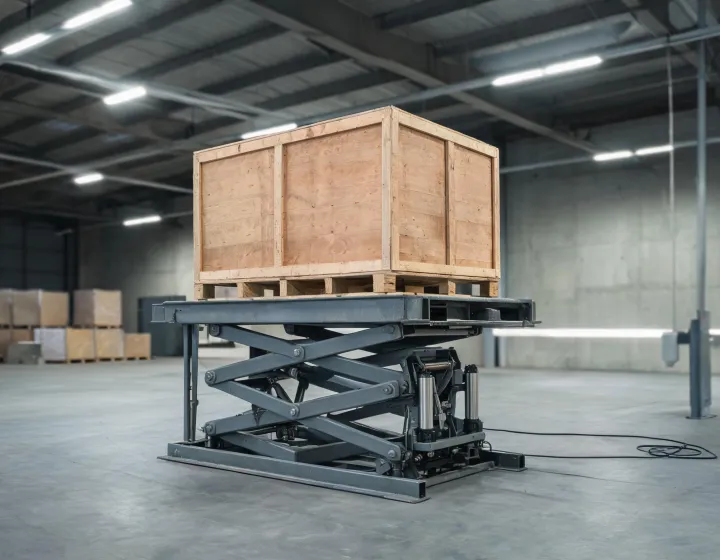
Industrial hydraulic lift table at a packing cell during specification review

Buyer inputs

Write equipment type, rated capacity at a stated load center, platform size, travel, lowered height, pit depth or floor mount, power type, quantity, destination country or US state, and the requested delivery window. Say whether installation, freight and commissioning are to be priced. If a target budget exists, add amount or range, currency, and whether the figure is per unit or whole order. High-end, mid-range, budget-friendly or undecided is a buyer preference, not a verified mill rating, and no existing quotation is required. Nameplate capacity without travel and pit notes is not enough; the dispute between nameplate and application load belongs on the brief, not in a later change order.

Sourcing desk

We copy those units onto one outbound line so each plant can quote the same geometry. We split machine, freight and excluded site work into separate columns. We keep third-party catalog names as search context. We do not invent a savings percentage, a stock count, or an authorization mark. After a match we ask the named plant for drawings and certificates; we do not reissue those files as our own credentials. The units note is the first comparison filter.

Factory documents

Capacity statements, hydraulic pressure notes, platform drawings and any CE or ISO paperwork belong to the named factory. Ask that each quote list what is excluded: pit work, anchors, electrical feed and commissioning. A dealer list or a different model series is not proof that the quoted table fits the building. Compare total procurement scope, not a headline machine price. Reject a reply that mixes equipment and site work without saying so. See inquiry options or send the brief.

How a comparable request is prepared

  1. 1

    Lock units

    Restate rated load, platform size, travel and pit or floor mount with the same unit names every plant will see.

  2. 2

    Split extras

    Keep freight, pit excavation, anchors and commissioning on separate lines unless the RFQ pulls them in.

  3. 3

    Ask for papers

    Request drawings and certificates after a first match. Those files stay factory-owned.

  4. 4

    Read scope

    Compare total procurement scope. A cheaper machine line that hides civil work is not a finished answer.

What this desk will not claim

No stock count, authorization mark, plant audit or savings percentage is published here. Process integrity means the same units go out and the same exclusions come back named. Eligibility for FREE sourcing support and up to 3% is confirmed only after product, quantity, destination and sourcing requirements are reviewed for qualified business buyers.

Send the matching brief

Share custom industrial hydraulic lift tables specifications, quantity and destination so factory replies stay on one line.

  • Write power as electric hydraulic, manual pump or shop air.
  • State whether pit work belongs inside factory scope.
  • Optional budget and supplier preference merge into the requirement field on submit.